Moving musculomembranous
areas that cover and protect
the anterior part of the eye:
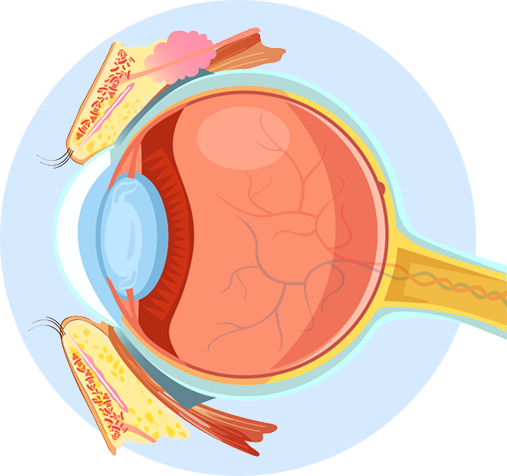
• UPPER EYELID • LOWER EYELID
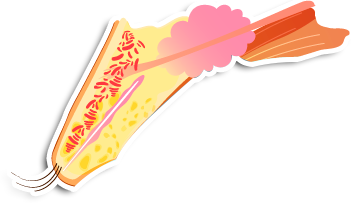
Upper eyelid
Tear film
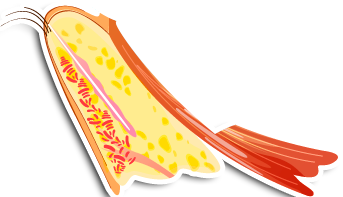
Lower eyelid
Main lacrimal gland
Meibomian glands
5a
Outer margin
Inner margin
Upper eyelid
Responsible for most of the eye’s opening and closing. It moves more widely and rapidly, distributes the tear film across the eye with each blink, and protects the eye. Normal blinking occurs 9–10 times per minute, and reduced frequency can affect tear film stability (1, 3, 4).
Tear film
The tear film is a thin, protective layer that covers the surface of the eye. It defends the cornea against germs, provides oxygen and nutrients, and keeps the eye smooth for clear vision. The tear film has two key layers: an outer oily layer that slows evaporation and an inner watery-mucous layer that hydrates and protects the eye. Together, they lubricate the surface, remove debris, support immune defenses, and keep vision comfortable and clear during blinking (6).
Tears are produced to balance evaporation and drainage. Basal tears keep the eye healthy, while reflex tears respond to irritation or emotions(6).
Lower eyelid
Provides structural support to the eye, acting like a “sling” that maintains eye position and stability. It plays a key role in guiding tears toward the inner corner of the eye for drainage (1,4).
Main Lacrimal Gland
Primarily produces the aqueous (water) component of the tear film, essential for eye surface hydration and protection (6).
Meibomian glands
Located along the edges of the eyelids, secrete lipids that form the tear film’s outer layer, preventing tear evaporation (2).
Outer margin
Contains the openings of the Meibomian glands, which release oils that keep tears from drying too quickly (4).
Inner margin
Touches the eye and contains specialized tissue that helps spread tears smoothly during blinking while also guiding excess tears toward the tear ducts for drainage (1, 4).
The numerous glands, the largest being the Meibomian, are essential to tear film production (4, 6).